How to Trade Meme Coins in 2026 Without Blowing Up Your Portfolio
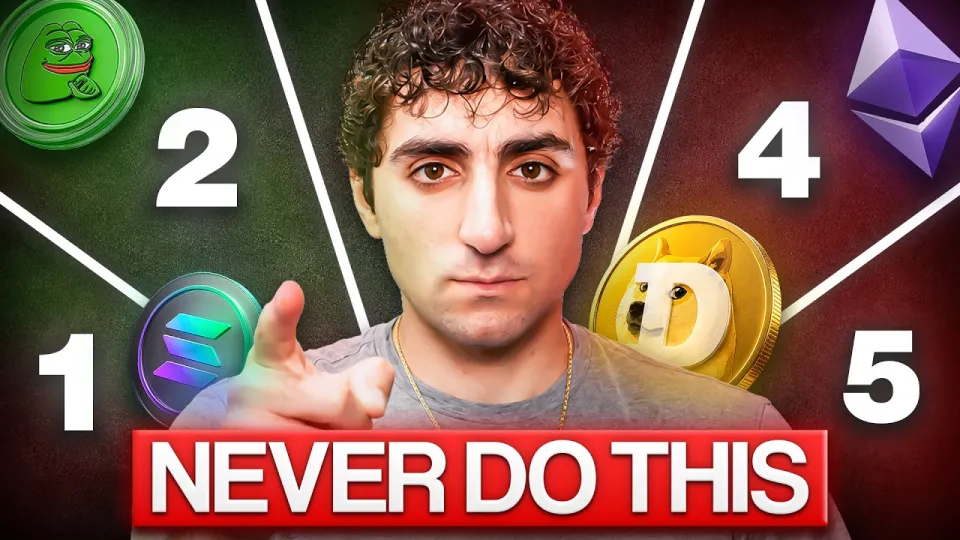
Video: 5 Things I Wish I Knew Before Trading Memecoins (Learn From My Mistakes)
Want articles like this for your own video to promote it on YouTube and Google? Order them through the Telegram bot @sat_sit_bot. The bot writes and publishes the articles itself (with your YouTube video embedded) on popular topical websites (no ads). Free trial — 50 articles.
· based on the channel rasmr
Meme coin trading is a speculation game where most participants lose money, and the edge comes from position sizing, patience and predefined exits rather than from picking the next 100x. The practical answer for anyone entering this market in 2026 is to treat every meme coin as a lottery ticket with a fixed cost, verify liquidity before buying, and never trade out of boredom — a framework the rasmr channel breaks down through his own mistakes, with trading accessible via fomo.family registration.
What a meme coin actually is and why it behaves differently
A meme coin is a token whose price is driven almost entirely by attention, community and liquidity rather than by cash flow or product revenue. That single fact explains the whole risk profile: there is no earnings floor, no valuation anchor and no management team obligated to deliver anything.
Three structural traits matter for traders:
- Supply is effectively infinite. Anyone can launch a token in minutes, so capital rotates constantly toward the newest narrative.
- Liquidity is shallow and removable. A pool can be drained or the LP tokens unlocked, which turns a paper gain into an unsellable bag.
- Attention decays fast. The lifecycle from launch to peak hype is often measured in days, not quarters, so exit timing matters more than entry cleverness.
None of this makes meme coins untradeable. It makes them a product where risk management is the strategy, and where the trader's own behaviour is the biggest variable.
The five mistakes that cost the most money
Most losses in this niche come from a short list of repeatable errors, and the rasmr video is built around exactly that list of things he wishes he had known earlier. The pattern is consistent across beginners and experienced traders who rotate into memes for fun.
- Chasing a candle that already moved. Buying after a 300% vertical move means your entry is someone else's exit liquidity.
- Oversizing because the chart looks certain. Conviction is highest right before the drawdown, so size must be set by rules, not feelings.
- Skipping the contract and liquidity check. Holder concentration, unlocked liquidity and mint authority are the three details that decide whether you can sell.
- Trading out of boredom. Losing a whole portfolio during a quiet bear market because nothing else was moving is a common story among traders who started in a bull run.
- No exit plan. Without a predefined take-profit ladder and an invalidation level, every position becomes a hope position.
Position sizing rules that keep you in the game
Position sizing is the only variable a trader fully controls, and it should be decided before the chart is even opened. A workable rule set for meme coins:
- Cap total meme coin exposure at 5–10% of the portfolio; this is the speculative sleeve, not the core.
- Risk no more than 1–2% of total capital per token, assuming the position can go to zero — because it can.
- Split entries into two or three tranches instead of one click, so a bad first fill does not define the trade.
- Scale out on the way up: sell 25–30% at the first strong move, another chunk at the next leg, and keep a small runner only with house money.
- Write the invalidation level down before entry; if it breaks, exit without renegotiating.
These numbers are not magic, but they enforce the key asymmetry: many small losses, a few large wins. Traders who size every meme coin like a core holding rarely survive long enough to catch the one that works.
Patience, consolidation and when to actually buy
Patience is the most repeated lesson in the comment section under the video, and it is also the hardest to apply. The productive version of patience looks like waiting for consolidation rather than buying a vertical candle.
A practical checklist before any entry:
- The token has already survived its first parabolic move and is now ranging for hours or days.
- Volume is drying up in the range rather than collapsing to nothing.
- Liquidity is stable and growing, not being withdrawn by the deployer.
- Holder count is rising slowly instead of spiking in one wallet cluster.
- There is a clear level whose loss invalidates the setup.
Waiting for a base costs you some upside, but it removes the most common failure mode: entering at the top of a hype spike and sitting through a 70% drawdown while the community moves to the next ticker. Confirmation can come from price structure, from liquidity behaviour or from a genuine catalyst — but it should be defined in advance, not invented after the fact.
Reading liquidity, holders and contract risk
Contract and liquidity checks take two minutes and prevent most permanent losses. Before buying any meme coin, verify:
- Liquidity depth — check how much can be sold without moving the price more than a few percent; if your intended size is a large share of the pool, you are the exit liquidity.
- LP status — locked or burned liquidity is a baseline requirement, not a bonus.
- Holder distribution — a top-10 wallet share above roughly 20–30% means a few addresses can end the chart whenever they choose.
- Contract permissions — mint authority, freeze authority and hidden tax functions should be renounced or absent.
- Age and history — a token that already survived one dump and still has an active community is usually a better risk than a two-hour-old launch.
None of these checks guarantees a winner, but each one removes a category of total loss. In a market where rug pulls and slow bleeds are routine, avoiding zeros is most of the job.
Questions traders ask before their first meme coin trade
Beginners tend to ask the same things, and the honest answers are less exciting than the charts suggest. The recurring themes in the comments under the rasmr breakdown are patience, entry timing and recovering after early mistakes.
- Is it too late to start after a month of losses? No, but the fix is process, not a bigger bet: smaller size, written rules and a fixed number of setups per week.
- Should you buy during consolidation or wait for news? Consolidation gives a defined risk level; news-driven entries usually give a worse price and no invalidation point.
- How many meme coins should you hold at once? Two or three maximum, because attention is a real resource and each position needs monitoring.
- What is the realistic expectation? Most trades will be small losses or scratches; the outcome depends on a handful of winners and on not giving back gains during a boring market.
Conclusion
The meme coin market rewards discipline far more than prediction: fixed position sizes, verified liquidity, entries during consolidation and exits planned before the trade. The rasmr channel is worth following precisely because the advice is built on losses rather than screenshots of wins, and the same logic applies whether you are one month in or several cycles deep. If you want to put these rules into practice, start with a fomo.family account via this link and keep the speculative sleeve small while you learn the rhythm of the market.
Key takeaways
- Meme coin trading is mostly a patience game: waiting for consolidation beats chasing green candles.
- Size each meme coin position so a total loss costs no more than 1–2% of the portfolio.
- Check liquidity and holder distribution before buying; thin pools make exits impossible at the price you see.
- Boredom trading is a documented way to lose an entire portfolio, especially in a bear market.
- Take profits in tranches and pre-define an invalidation level before entering any position.
Questions & answers
How much of a portfolio should go into meme coins?
Treat meme coins as a speculative sleeve of roughly 5–10% of total capital, with 1–2% risked per token assuming it can go to zero. That way a string of losses does not damage the core portfolio, and one strong winner can still move the overall result.
Should I buy a meme coin during consolidation or wait for a catalyst?
Buying during consolidation gives you a defined invalidation level and a better average price, while catalyst entries often arrive after the move has already happened. Whichever you choose, decide the confirmation criteria and the exit before entering, not after the price moves against you.
What checks matter most before buying a new meme coin?
Check liquidity depth, whether LP tokens are locked or burned, the share held by the top wallets, and whether mint or freeze authority still exists. A token where your position is a large share of the pool, or where a few wallets hold most of the supply, is a trap regardless of how good the chart looks.
Is meme coin trading mostly luck?
Luck decides individual outcomes, but process decides the aggregate: position sizing, patience and predefined exits are what separate traders who survive from those who lose a portfolio out of boredom. Most trades will be small losses, and the result comes from a few winners plus not giving gains back.
Source: 5 Things I Wish I Knew Before Trading Memecoins (Learn From My Mistakes) · Markdown version